 H

INTRODUCTION

There is something exciting about writing what you want your life to look like. The problem is that writing a goal on paper can not automatically create the life required to achieve it. You may have written “I want to read more”, but weeks later, the book is still unopened. The goal becomes something you hope you will eventually get to. There is a difference between wanting something to happen and creating a system that makes it more likely to happen. You can sincerely desire an outcome, write it beautifully in a journal, put it on a vision board and think about it every morning and still make very little progress towards it. That does not necessarily mean the desire is wrong.
It may simply mean you have a wish without a structure, but a goal goes further. A goal takes something you desire and begins to organise your decisions, time and actions around achieving it. If you want to set goals you can actually achieve, you need to go beyond writing them down. You need to know why they matter, understand what kind of goal you are setting, break the desired outcome into actions and create a structure that helps you continue even when you do not feel particularly motivated. The real work is learning how to turn that goal into something you can actually live.
Here is how.
What Is Goal Setting?
Goal setting is the process of deciding what you want to achieve and recognising the actions that can move you towards it. Many times we stop at the first step, but the second step matters. It must move beyond what to why, and then how.
When you set goals, three questions should be on your mind.
- What do I desire?
- Why do I desire this?
- How can this be achieved?
Effective goal setting creates a relationship between your desired future and your present behaviour.
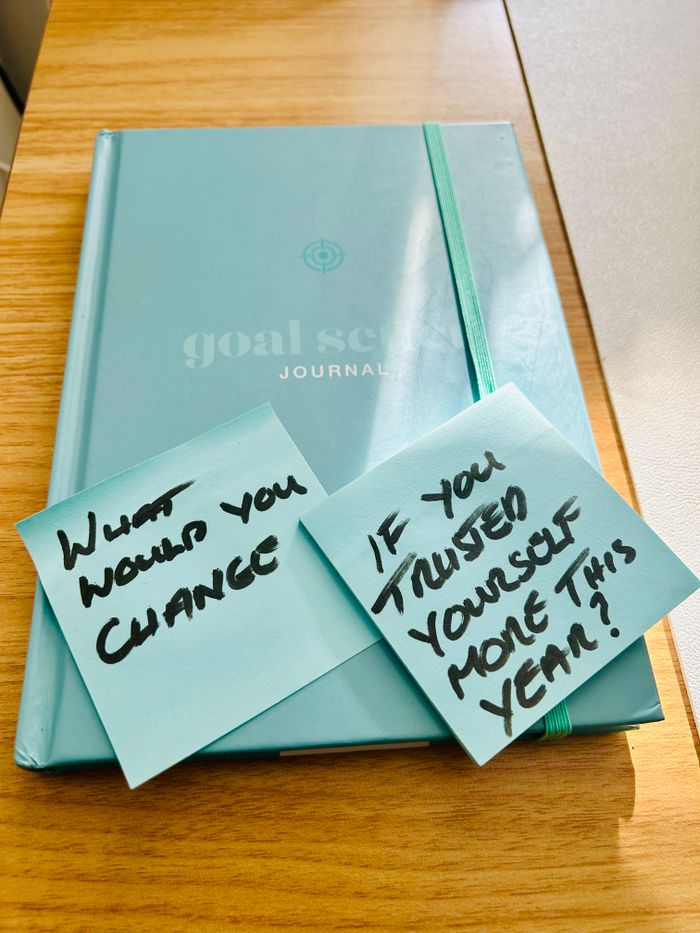
If you want to read twelve books this year, what does that require from you this month? Your visible outcome may exist in the future, but your ability to work towards it exists today. Good goal setting connects the two.
A Goal is Not a Wish: What’s the Difference?
A wish says: “I would like this to happen.”
A goal asks: “What will I do to move towards making this happen?”
Suppose two people both say, “I want to read more this year.” The first person buys five books in January and promises to read whenever they have time. The second person decides to read twelve books by the end of the year. They choose one book for the month, decide to read for twenty minutes before bed from Monday to Friday and track the days they complete their reading. Both people have the same desire, but only one created a structure around it.
Your intention must turn into something actionable, and your desire has to become direction. It simply means that until what you want has shaped what you do and how you do it, it is simply a wish.
Before the Goal, Find the Why
Now that you may know what you want, there is another question worth answering before building your plan: Why does this matter to me?
Goals are exciting when you set them, but following them is not always exciting. Eventually, you will encounter a day when waking up early is inconvenient. Saving money means not buying something you want. Exercising feels uncomfortable. Studying requires turning down an invitation. Saying no disappoints someone. That is when your reason matters. Your “why” does not have to be dramatic. You also do not need to have your entire future mapped out. You need to understand what you hope this goal will produce in your life.
Consider the goal of becoming better at saying no. You probably cannot perfectly describe the person you will become after six months of practising boundaries, but you know why you want the change. Maybe constantly saying yes has left you with little time for your priorities. You are repeatedly exhausted. You agree to things out of guilt and later resent them. Important personal commitments keep getting pushed aside because everyone else gets access to your time first.
So your desired outcome might be: I want to be able to protect my time and give my energy to the responsibilities and relationships that matter most to me.
You remember: This is not about how uncomfortable I feel at this moment. It is about what I am building.
That is one of the reasons knowing your why is so powerful. It gives your present discomfort context.
You should ask: What will accomplishing this goal make possible?
Maybe saving money will give you more financial breathing room. Maybe improving your communication will help you express yourself more clearly in your relationships and at work. You need to know what is making you move,
Why It Is Important to Set Goals
- Goals give direction to your effort: without direction, it is possible to be incredibly busy without moving towards anything you actually consider important. Every man is moving towards an end. The question is whether the direction has been defined.
- Are you moving towards anything you said mattered to you?
- Goals help you make decisions: If one of your goals requires two uninterrupted hours every Saturday morning, saying yes to something else during that period now has a cost. The goal becomes a reference point.
- Ask yourself: What do I hope accomplishing this will change?
Your why reminds you that you wanted to become more intentional about where your energy goes.
You may not know exactly where the road will take you, but you should know why you started walking.
The Three Types of Goals You Need to Understand
Not every goal does the same job. One useful way to think about goal setting is through three types of goals: outcome goals, performance goals and process goals.
1. Outcome Goals: Where Are You Going?
An outcome goal focuses on the result you want. For example: You want to complete your first book this year.
Outcome goals are useful because they provide direction. The problem comes when the outcome is the only goal you have because some outcomes are not entirely within your control. You can prepare extensively for a job application, for example, but you cannot personally make the hiring decision. Outcome goals show you the destination. They don’t always show you how to travel there.

2. Performance Goals: How Will You Know You’re Improving?
Performance goals focus on the standard you want to reach or the progress you want to make. Suppose your outcome is to complete your first book.
A performance goal might be: Complete 10,000 words by the end of the month. Performance goals give you something you can measure along the journey.
They answer: What evidence do I have that I’m progressing?
This is particularly important for goals that take months or years. If the only success you recognize is the final result, you can spend months working while feeling as though nothing is happening. Performance goals create milestones along the road.

3. Process Goals: What Do You Need to Do?
This is where your goal finally enters everyday life. Process goals focus on the actions and behaviours that support your progress. If your outcome goal is: Complete my book, and your performance goal is: Write 10,000 words this month. Your process goal could be: Write for 30 minutes every weekday morning.
The distinction matters. You can think about completing a manuscript all year, but eventually, somebody has to sit down and write. The process goal brings you to the chair.
It deserve so much of your attention. You cannot always control the result. You can control many of the actions you repeatedly take towards it.

When it is time to execute, you can think from: Process → Performance → Outcome
This relationship between the three goal types is also described in performance psychology literature: process behaviours support improvements in performance, which in turn increase the likelihood of reaching the desired outcome. In other words: Dream from the outcome. Work from the process. Wake up each morning thinking of the next step.
Your outcome should give you direction. Your process should give you today’s assignment. You must break the goal till you can see today.
Goal → Milestone → Weekly action → Today’s task.
If you cannot tell what you should do today, the goal probably needs to be broken down further.
You can ask: What is one thing I can do today that moves one of my important goals forward?
AFTER STRUCTURE, WHAT COMES NEXT?

There are three things you must incorporate in your goal setting process:
- Build for the Days You Don’t Feel Like It or When Feelings Change
What will you do when you don’t feel like doing it?
There will be moments when doing what you decided feels uncomfortable, or you feel uninterested. This is where your why becomes useful.
Why did you set the goal? Because you wanted room for your own responsibilities. The uncomfortable feeling does not automatically mean the decision was wrong. You must return to the reason you began and realize goals can change. New information can reveal that your original plan was unrealistic or no longer useful.
But there is a difference between changing a goal thoughtfully and abandoning it because today’s action feels uncomfortable. Your feelings deserve attention. They do not always deserve control of the plan.
2. Track Progress, Not Perfection
Tracking makes an invisible process visible. If you are building a reading habit, you can record your reading days or completed books, but a tracker should not become a scoreboard for punishing yourself.
If you missed Wednesday, take note of that and observe why. Were you exhausted? Was the scheduled time unrealistic? Did another responsibility consistently clash with it? Did you forget?
The purpose of tracking is not to produce a perfect row of ticks. It is to create feedback.
A missed day can teach you something about your system. It can give you information.
3. Review Your Goals Regularly
Do not wait until October to discover that the goal you wrote in January disappeared in February. Create a regular review. It could be weekly, monthly or both and a review helps you distinguish between a bad goal and a bad system.
Maybe the goal still matters, but the time you chose does not work. Or perhaps your priorities genuinely changed. Review permits you to adjust intentionally rather than simply drifting away from the goal.
Conclusion
Your goal can begin on paper, but it should not remain there. You can know what you want, understand why you want it or even have a clear picture of the outcome. But eventually, your goal has to shape what you do. So, before you leave this page, think of one goal you currently have and answer three questions:
- What do I want?
- Why does it matter to me?
- What can I do about it today?
Then take that action. Your goal does not need another day on paper. It needs a place in your life.
Want more? Read more insightful articles here.